tirangaguids: A Symbol of National Pride and Unity
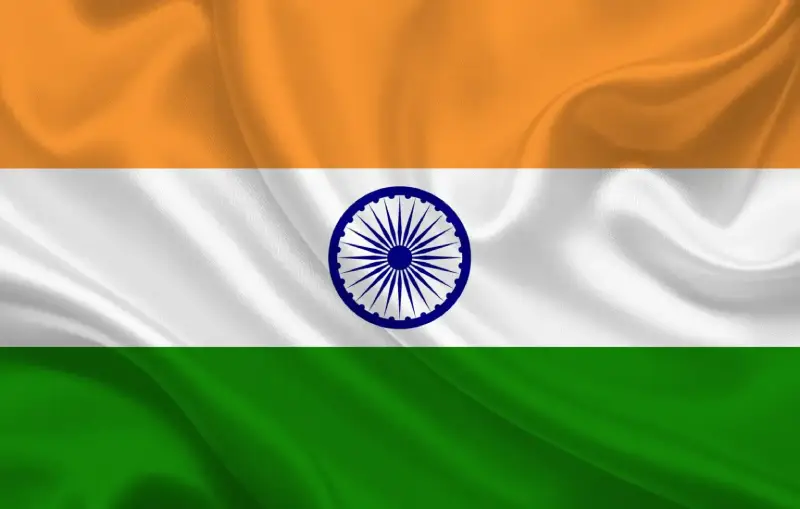
India’s national flag, popularly known as the Tiranga, is much more than just three horizontal stripes. It represents the unity, freedom, and identity of the nation. The flag stands as a tribute to the courage, sacrifices, and unwavering determination of countless Indians who played a vital role in securing the country’s independence.
Beyond its visual beauty, the Tiranga reflects India’s rich traditions, cultural diversity, and sovereign spirit. Through tirangaguids, this powerful national symbol continues to honor the legacy of freedom fighters and inspires feelings of patriotism, respect, and pride among Indians both at home and around the world.
The History and Development of tirangaguids
The journey of India’s national flag began long before the nation gained independence. The current tricolour design was formally adopted by the Constituent Assembly on 22 July 1947, just weeks before India became independent on 15 August 1947.
However, the concept and evolution of the flag started in the early twentieth century, during the freedom struggle. Several early versions were designed and used by freedom fighters as symbols of resistance and unity. Over time, these designs underwent gradual refinement, ultimately shaping the respected national flag we proudly recognize today.
Through tirangaguids, the historical development of the flag reflects not only artistic changes but also the growing spirit of nationalism and collective identity that defined India’s path to independence.